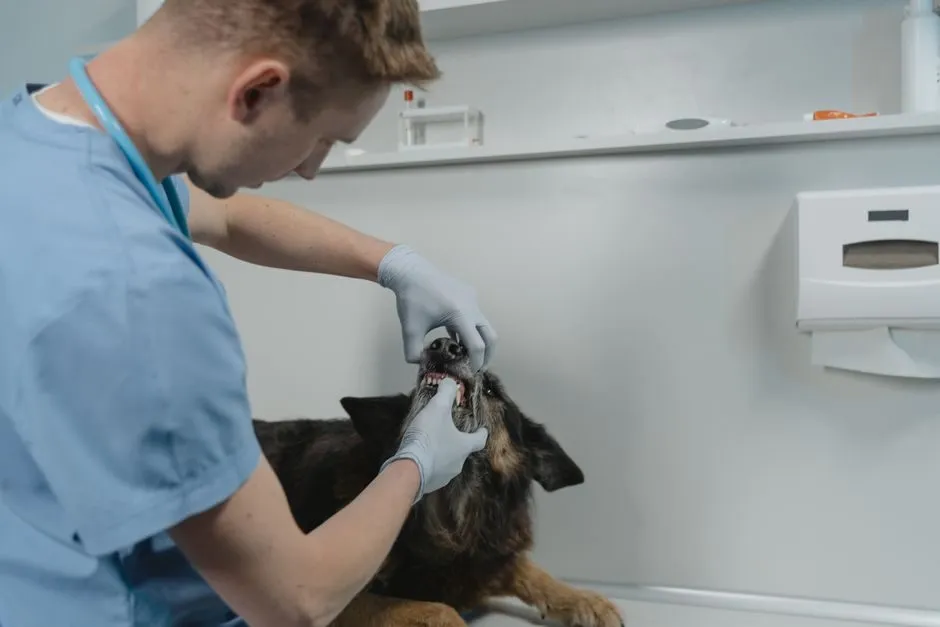
Maintaining your dog’s or cat’s dental health is about so much more than keeping their breath fresh; it is a vital part of ensuring their overall well-being and comfort throughout their lives. Here in San Antonio, local pet owners know that our climate and environment can create unique challenges for keeping pets healthy year-round. At Traveling Tails Veterinary Clinic, located at 2250 Thousand Oaks Dr, Suite 102, San Antonio, TX 78232, our veterinary team is dedicated to providing comprehensive dental care for your dogs and cats. Whether you are looking to prevent dental disease, spot early signs of trouble, or schedule a professional cleaning, our family-owned clinic offers the expertise and compassion your pets deserve.
In this guide, you will discover how to recognize dental problems in your pet, understand the underlying causes, explore available treatment options, and learn practical tips for at-home care. We will also discuss when it is time to schedule a dental checkup and why proactive dental care matters for your pet’s long-term health. Our veterinary professionals are here to support you with personalized guidance, so you and your pet can enjoy many healthy, happy years together.
Recognizing the Signs of Dental Disease in Dogs and Cats
Dental problems in pets often start quietly, but they can quickly become serious if left untreated. Knowing what to watch for is the first step in protecting your dog’s or cat’s oral health. Common symptoms of dental disease include persistent bad breath, red or swollen gums, visible tartar buildup on the teeth, and drooling more than usual. You might also notice your pet pawing at their mouth, dropping food while eating, or showing a sudden reluctance to chew hard treats or kibble.
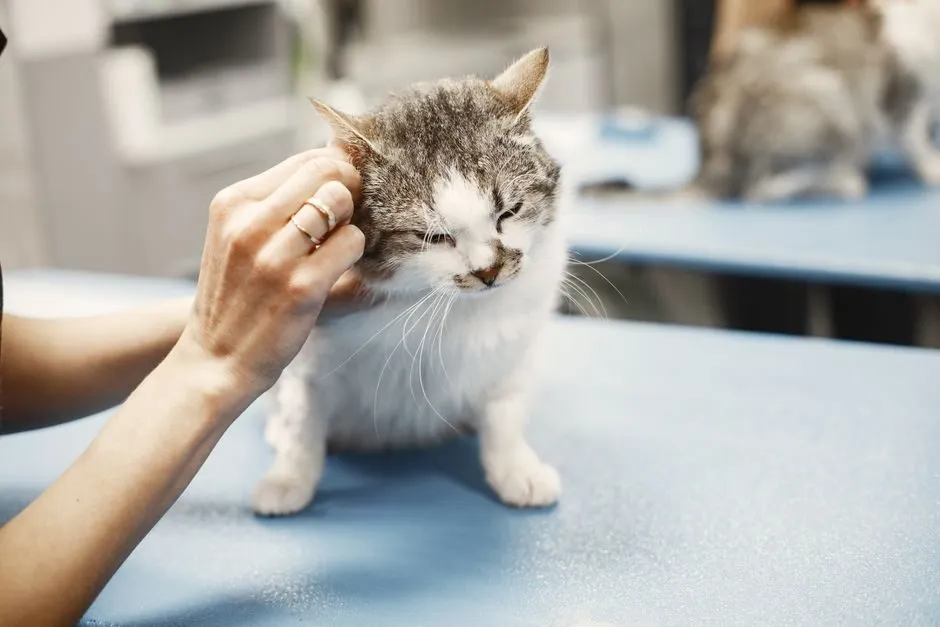
In some cases, pets develop loose or discolored teeth, or you may spot bleeding from the gums—especially after chewing on toys. Behavioral changes, such as irritability or decreased interest in playtime, can also signal dental discomfort. Cats are particularly skilled at hiding pain, so subtle changes in grooming habits or eating patterns should not be ignored. If your dog or cat seems hesitant to let you touch their mouth or head, this may be another sign of oral discomfort.
Dental disease can progress rapidly. Early detection makes a tremendous difference in treatment outcomes, so paying attention to these warning signs is an important part of responsible pet ownership.
Why Dental Disease Develops in Pets
Dental problems in dogs and cats are typically caused by a combination of factors, most notably the accumulation of plaque and tartar on their teeth. Plaque is a sticky film of bacteria that forms shortly after eating. If not removed through regular brushing or chewing, plaque hardens into tartar, which can lead to inflammation of the gums (gingivitis) and, eventually, to more severe periodontal disease.
Other contributors include genetics, age, diet, and even the shape of a pet’s mouth. For example, small breed dogs and certain cats are more prone to dental issues because of crowded or misaligned teeth. Feeding soft or sticky foods may also increase the risk, as these foods can stick to tooth surfaces and promote bacterial growth.
San Antonio’s warm, humid climate can make dental care even more critical since bacteria thrive in moist environments. Without proper oral hygiene, bacteria in the mouth can travel through the bloodstream, affecting the heart, kidneys, and liver. This systemic impact is one reason why dental health should be a top priority for every pet owner.
Professional Dental Care: What to Expect at Traveling Tails Veterinary Clinic
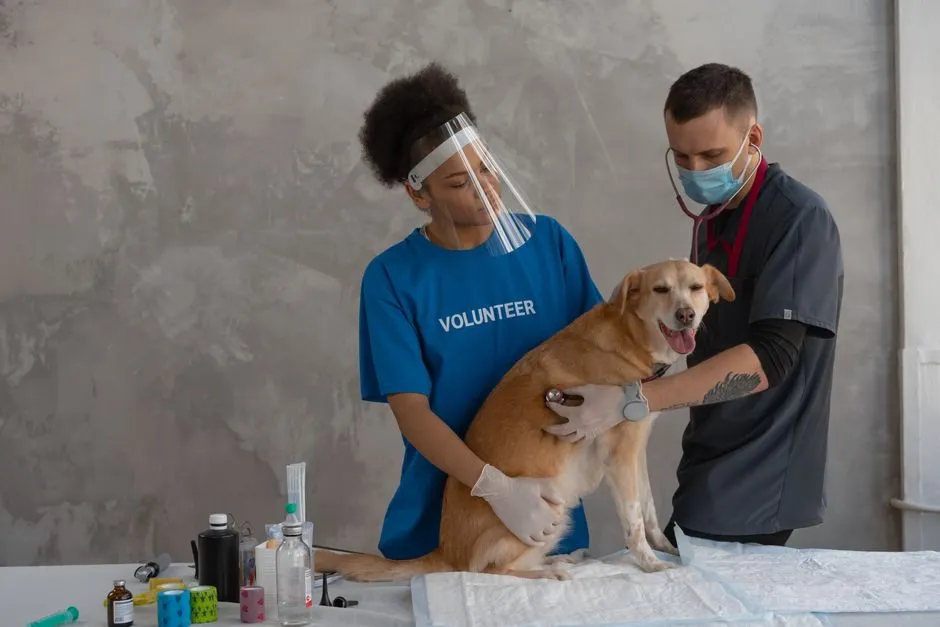
Routine professional dental care is essential for preventing and managing dental disease in dogs and cats. At Traveling Tails Veterinary Clinic, our veterinary team begins with a comprehensive oral examination, looking for signs of tartar, gum disease, broken teeth, or oral masses. We often recommend dental radiographs to detect issues hidden below the gumline, such as root infections or bone loss, which cannot be seen during a visual exam alone.
If your pet requires treatment, we provide a range of services tailored to their individual needs. Professional cleanings under anesthesia allow us to thoroughly remove plaque and tartar, polish the teeth, and assess every part of the mouth safely. In some cases, pets may need tooth extractions if teeth are severely damaged or infected. For more advanced issues, our clinic offers dental surgery to address oral tumors, abscesses, or complex dental problems.
We use state-of-the-art equipment and gentle handling techniques to prioritize your pet’s comfort and safety at every step. After any dental procedure, our team will provide detailed aftercare instructions and ongoing support to ensure a smooth recovery.
At-Home Dental Care: How to Protect Your Pet’s Smile Every Day
While professional dental cleanings are important, much of your pet’s dental health is maintained at home. Daily or frequent tooth brushing is the gold standard for preventing plaque buildup. Using a pet-specific toothbrush and toothpaste, gently brush your dog’s or cat’s teeth, focusing on the outer surfaces where tartar tends to accumulate. If your pet is new to brushing, start slowly and gradually build their comfort with the process.
In addition to brushing, providing dental chews or toys designed to help clean teeth can be beneficial, especially for dogs. These products promote chewing, which naturally helps reduce plaque and tartar. For cats, dental treats and diets formulated to support oral health are available and can supplement brushing.
Always ensure that your pet’s diet is balanced and appropriate for their age and health needs. Avoid feeding table scraps or sticky treats that can cling to teeth. Keeping up with regular wellness visits allows your veterinarian to monitor your pet’s oral health and provide early intervention if needed.
If you need guidance on the best home dental care products or techniques, our veterinary professionals are happy to help during your pet’s next comprehensive physical exam.
When to Schedule a Dental Checkup for Your Pet
Determining the right time to schedule a dental checkup depends on your pet’s age, breed, and existing health status. As a general rule, most dogs and cats benefit from an annual dental evaluation, although some pets—especially those with a history of dental problems—may need more frequent visits. If you notice any of the warning signs described earlier, such as bad breath, red gums, or trouble eating, it is always best to schedule an appointment promptly rather than wait.
Puppies and kittens should have their mouths checked during routine wellness visits to establish a baseline and spot any developmental issues early. Senior pets are at higher risk for dental disease, so proactive care becomes even more important as they age.
If you are unsure whether your pet needs a dental cleaning, our veterinary team can assess their mouth and recommend the appropriate next steps. You can learn more about what is involved in professional cleanings and preventing gingivitis by visiting our website or speaking with us directly. Regular dental care is an investment in your pet’s comfort, longevity, and quality of life.
The Importance of Dental Health for Your Pet’s Overall Well-Being
Dental disease does not just cause discomfort; it can have far-reaching effects on your dog’s or cat’s whole-body health. Chronic oral infections have been linked to heart disease, kidney problems, and other serious conditions. Maintaining healthy teeth and gums supports your pet’s immune system, helps prevent pain, and allows them to eat, play, and interact without discomfort.
Many pet owners are surprised to learn how much their companion’s energy and behavior can improve after dental treatment. When your pet’s mouth is pain-free, you will often see a renewed enthusiasm for food and playtime, as well as better overall health. By prioritizing dental care, you are giving your dog or cat the best chance at a long, healthy, and happy life.
Take Action: Keep Your Dog or Cat’s Smile Bright in San Antonio
Your pet’s dental health is too important to leave to chance. If you have noticed any signs of dental disease or it has been more than a year since your dog’s or cat’s last dental checkup, we encourage you to schedule an appointment with our veterinary team at Traveling Tails Veterinary Clinic. Our family-owned practice is committed to providing exceptional dental care for pets in San Antonio and surrounding communities.
Whether you need a professional cleaning, dental surgery, or guidance on at-home care, we are here to help. If you are searching for a vet near me who truly understands the unique needs of your pet, look no further than our experienced team. To learn more about our full range of dental care services, visit our website or reach out directly.
Contact us at (210) 495-8245 to schedule your pet’s dental appointment today, or stop by our convenient location at 2250 Thousand Oaks Dr, Suite 102, San Antonio, TX 78232. Let us help you keep your dog or cat’s smile healthy for years to come.
This blog is intended for educational purposes only and does not replace professional veterinary advice. If you have concerns about your pet’s health, please contact your veterinarian for personalized guidance.