If you share your home with an unspayed female cat, you might find yourself wondering, “How long does a cat stay in heat?” This is a common question among San Antonio cat owners, especially when a beloved feline starts displaying unusual behaviors or vocalizations. Understanding your cat’s heat cycle is crucial for keeping her comfortable and protecting her health. At Traveling Tails Veterinary Clinic, located at 2250 Thousand Oaks Dr, Suite 102, San Antonio, TX 78232, our veterinary team is here to help you navigate this important stage in your cat’s life. In this blog, we’ll explore how long a cat stays in heat, what behaviors you might notice, steps you can take at home, and when to seek veterinary support. We’ll also explain why spaying is recommended for most cats in San Antonio and surrounding communities.
Recognizing the Signs: Is My Cat in Heat?
Before you can determine how long a cat stays in heat, it’s helpful to know what the heat cycle actually looks like. Female cats, or queens, who have not been spayed will experience recurring heat cycles, also known as estrus. During this time, you may notice behaviors that are new or more intense than usual. Common signs include increased vocalization—your cat may “yowl” loudly, especially at night. She might become more affectionate, rubbing against people and furniture, rolling on the floor, and displaying a raised hind end with her tail held to the side when petted. Other indications can be restlessness, frequent attempts to escape outdoors, and even spraying small amounts of urine to mark territory. These behaviors are all driven by natural hormonal changes that signal your cat’s readiness to mate.
Understanding the Feline Heat Cycle: How Long Does a Cat Stay in Heat?
So, how long does a cat stay in heat? Most female cats remain in heat for about 4 to 7 days at a time. However, this period can range anywhere from as short as 2 days up to 3 weeks, depending on individual factors and whether your cat mates during the cycle. If your cat does not mate, she will cycle out of heat but may return to heat again in as little as one to three weeks. This repeated pattern is called a “seasonally polyestrous” cycle, meaning cats go into heat multiple times throughout the breeding season. In San Antonio, where the climate is warm and daylight hours are long for much of the year, indoor cats can come into heat at almost any time, not just in spring or summer.
Factors That Influence the Heat Cycle
Several factors can play a role in how long a cat stays in heat. Age is important—most cats have their first heat between 5 and 9 months of age. Indoor lighting and temperature, exposure to male cats, and your cat’s overall health can all impact the frequency and duration of her cycles. Some cats may appear to remain in heat continuously if they do not mate, which can be stressful for both the cat and her owner.
Managing a Cat in Heat: What You Can Do at Home
Caring for a cat in heat can be challenging, especially if she is restless or vocal throughout the day and night. Although there is no way to “cure” a heat cycle at home, there are strategies to help your cat feel more comfortable. Providing extra affection, safe indoor playtime, and interactive toys can help distract and comfort her. Make sure all doors and windows are secure, as cats in heat can be surprisingly determined to escape in search of a mate. Pheromone diffusers and calming sprays may reduce anxiety for some cats. Keeping your cat’s litter box clean and ensuring she has cozy resting spots can also make this time less stressful.
It’s important to remember that these approaches help manage symptoms but do not end the heat cycle. The only permanent solution to prevent future cycles is spaying, which not only stops the heat behavior but also offers significant health benefits.
Why Spaying is the Best Solution for Cats in San Antonio
For most cat owners in San Antonio and the surrounding communities, spaying is the recommended option for preventing ongoing heat cycles and their associated challenges. Spaying involves surgically removing the ovaries and uterus, which eliminates the hormonal surges that trigger the heat cycle. This procedure not only provides peace of mind for you but also reduces your cat’s risk of developing certain cancers and uterine infections. It also helps address the issue of pet overpopulation in our community.
If you’d like to learn more about the health and behavioral benefits of spaying, as well as when the best time to schedule the procedure might be, our team encourages you to visit our spay and neuter services page. We can discuss your cat’s individual needs and help you determine the ideal timing for surgery.
When to Seek Veterinary Care for a Cat in Heat
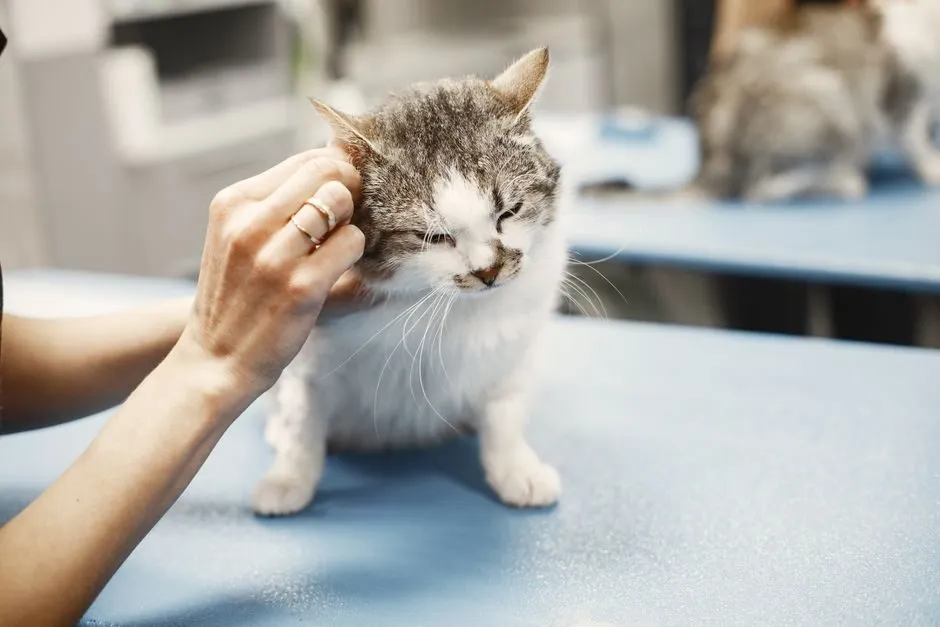
While most heat cycles are normal and not dangerous in themselves, there are times when you should consult your veterinarian. If your cat’s heat cycles seem to last longer than three weeks, or if you notice signs such as bloody discharge, loss of appetite, lethargy, or excessive grooming of the genital area, these may signal an underlying health issue. Unspayed cats are at risk for uterine infections (pyometra) and certain cancers, which can become serious if left untreated. If you are unsure whether your cat’s behavior is linked to the heat cycle or something more concerning, our veterinary team recommends scheduling a comprehensive pet exam. Early intervention helps ensure your cat’s long-term health and comfort.
What to Expect During a Veterinary Visit
During your appointment at Traveling Tails Veterinary Clinic, our veterinarians will perform a thorough physical examination, discuss your cat’s history, and determine whether she is experiencing a normal heat cycle or if there is another underlying problem. We can answer any questions you have about feline reproduction, behavior, and the benefits of spaying, so you can make informed decisions for your cat’s care.
Home Care and Comfort Between Cycles
Until your cat is spayed, you may experience repeated heat cycles, especially if she is an indoor cat exposed to household lighting. Keeping a predictable daily routine, offering interactive play sessions, and providing plenty of safe spaces for retreat can help reduce anxiety. Make sure to monitor her eating, drinking, and litter box habits, as significant changes may require veterinary attention. The use of calming pheromone products and maintaining a quiet, low-stress environment is also helpful for many cats.
Frequently Asked Questions About How Long a Cat Stays in Heat
Many cat owners in San Antonio are surprised at how often and how long a cat can stay in heat. It’s common to wonder if these cycles will stop on their own, or if there is a safe and effective way to prevent them without surgery. The reality is that unless your cat is bred or spayed, she will continue to cycle regularly throughout much of the year. Some cats may even appear to go into heat shortly after finishing a previous cycle. Spaying is the only permanent solution, and it is a routine procedure that our veterinary professionals perform with compassion and care.
If you have questions about the timing of spaying, the risks of letting your cat remain unspayed, or need advice on managing behavior during heat, our team is always happy to help.
Take the Next Step: Support for San Antonio Cat Owners
Understanding how long a cat stays in heat and being prepared for what to expect can make this stage easier for both you and your feline companion. At Traveling Tails Veterinary Clinic, our veterinarians are dedicated to providing compassionate, knowledgeable care for every stage of your cat’s life, from kittenhood through the golden years. If you are searching for a “vet near me” to help with questions about your cat’s heat cycle or to discuss scheduling a spay procedure, our team is ready to support you.
To schedule an appointment, call us at (210) 495-8245 or visit our San Antonio location. We also invite you to explore our comprehensive pet exam services and spay and neuter options to keep your cat healthy and happy. Whether you are in San Antonio or the surrounding communities, Traveling Tails Veterinary Clinic is committed to your cat’s well-being. Reach out today to get answers about how long your cat stays in heat and discover the best options for her lifelong health.
This blog is intended for informational purposes only and does not replace professional veterinary care. If you have concerns about your cat’s health or behavior, please schedule a visit with our veterinary team for a personalized assessment.