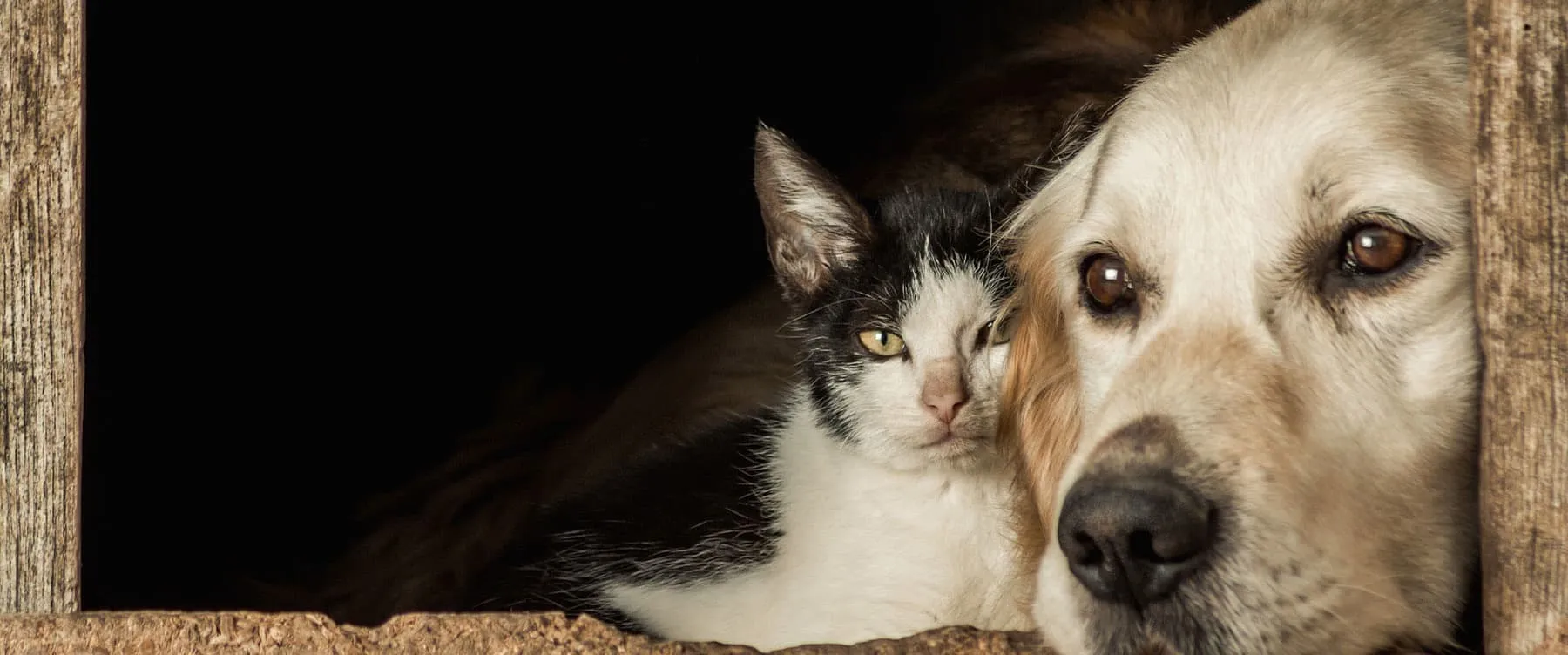
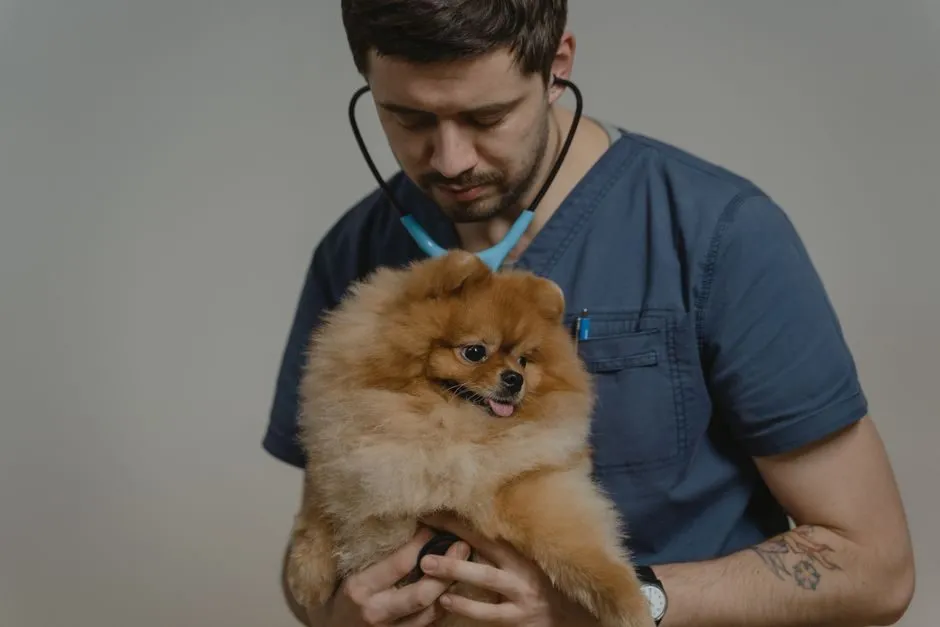
Chilly mornings and brisk evenings in San Antonio can leave many pet owners wondering whether their dogs and cats need extra warmth as temperatures dip. While our Texas winters are usually mild compared to other parts of the country, sudden cold snaps, damp weather, and those occasional freezing nights can still impact your pet’s comfort and wellbeing. At Traveling Tails Veterinary Clinic, located at 2250 Thousand Oaks Dr, Suite 102, San Antonio, TX 78232, we often hear questions about how much cold is too cold for pets, what signs to watch for, and how to keep dogs and cats healthy through the winter months. This blog will help you recognize when your pet may be feeling the chill, understand why some animals are more sensitive to low temperatures, and provide practical tips to keep your furry companions comfortable. We’ll also guide you on when a comprehensive physical exam might be needed if your pet seems affected by the cold.
Recognizing When Your Pet Is Too Cold
Understanding how dogs and cats respond to chilly weather is the first step in keeping them safe. Pets can’t tell us directly when they’re feeling uncomfortable, so it’s important to watch for signs that may indicate your dog or cat is too cold. Shivering is one of the most obvious signs, but there are several other behaviors and physical cues to look out for. These can include seeking out warm spots or curling up tightly, reluctance to go outside, whining or vocalizing, and holding up their paws as if the ground is uncomfortable. Some pets may become lethargic, move more slowly than usual, or even refuse to eat if the cold is affecting them.
For short-haired breeds, puppies, kittens, senior pets, and those with certain health conditions, sensitivity to cold can be even greater. Cats, in particular, will often hide in warm nooks or avoid going outdoors altogether when temperatures drop. If your pet’s ears, tail, or paws feel especially cold to the touch, or if you notice any signs of frostbite (such as pale, hard, or swollen skin), it’s time to seek help right away. Recognizing these warning signs early allows you to adjust your pet’s environment before discomfort turns into a health risk.
Why Do Dogs and Cats Get Cold in San Antonio Winters?
While San Antonio is known for its warm climate, our region is not immune to the occasional cold front, icy rain, or freezing temperatures. Most dogs and cats are well-adapted to moderate weather, but their ability to tolerate cold depends on several factors. Breed plays a major role; for example, Huskies and Maine Coons have thick coats that offer some protection, while Chihuahuas and Sphynx cats are much more vulnerable. Coat length, body fat, age, and overall health also influence a pet’s ability to handle the cold.
Indoor pets who rarely encounter cold weather may be more sensitive than those who spend time outdoors. Wet fur, wind chill, and damp ground can further decrease a pet’s ability to stay warm. Additionally, medical conditions such as arthritis, heart disease, or hypothyroidism can make it harder for some pets to regulate their body temperature. Even a healthy adult pet can become cold if left outside for extended periods when the mercury drops, especially overnight or during unexpected cold snaps. In San Antonio, sudden changes in weather can catch both pets and their owners off guard, so being proactive is key.
Keeping Your Dog or Cat Comfortable: Management and Home Care
Helping your pet stay warm and healthy during winter starts with a few simple adjustments to your daily routine. At home, make sure your pet always has access to a cozy, draft-free area to rest. Many pets appreciate a soft bed placed away from doors or windows, especially at night. For those pets who love to snuggle under blankets, providing an extra layer can offer both comfort and warmth. Consider moving beds off the floor to avoid direct contact with chilly surfaces.
When it comes to outdoor time, limit walks and play sessions during the coldest parts of the day, typically early morning and late night. For dogs, investing in a well-fitted sweater or coat can help retain body heat, particularly for smaller or short-haired breeds. Always keep an eye on your pet during outdoor activities; if you notice shivering, lifting of paws, or reluctance to move, it’s time to head indoors.
Cats should ideally remain indoors during cold snaps, as they are more susceptible to hypothermia and frostbite. For those who insist on venturing outside, monitor their time closely and provide a quick way for them to return to warmth. Outdoor cats need dry, insulated shelters that are elevated off the ground and protected from wind and moisture. Never use space heaters or heating pads without supervision, as these can pose burn risks.
Food and water routines may need to be adjusted as well. Some pets require additional calories to maintain body heat, especially if they spend more time outside. However, always check with our veterinarians before making any significant dietary changes. Make sure water bowls are not freezing overnight, and avoid using metal bowls outside, which can stick to cold tongues.
When Is Veterinary Care Needed for Cold Exposure?
While most pets will handle San Antonio’s winter weather with just a little extra care, there are situations when professional help is essential. Signs that your pet may need veterinary attention include persistent shivering, severe lethargy, trouble breathing, pale or bluish gums, and any evidence of frostbite or hypothermia. If your dog or cat is disoriented, unresponsive, or unable to get warm even after coming inside, seek help right away. Pets with chronic medical conditions, such as heart or thyroid disease, are at higher risk for complications and may require closer monitoring during cold weather.
If you are concerned about your pet’s health during winter or notice any unusual symptoms, scheduling a comprehensive physical exam can help identify underlying issues and ensure your pet is prepared for seasonal changes. For cases where a specific diagnosis is needed, our team may recommend diagnostic laboratory services to check for conditions that could make your pet more susceptible to cold. Remember, prompt care is especially important for puppies, kittens, seniors, and pets with ongoing health concerns.
Practical Tips for Preventing Cold-Related Problems
Preventing cold-weather issues for your pet involves a few proactive steps. Always bring pets indoors during severe weather, and avoid leaving them outside for extended periods, especially overnight. Monitor your pet’s behavior for signs of discomfort, and adjust their environment as needed to provide extra warmth. For outdoor walks, choose midday hours when temperatures are highest, and use protective gear like sweaters or booties if needed. After time outside, check your pet’s paws for ice, salt, or injuries, and dry them thoroughly to prevent irritation.
Keep in mind that older pets and those with arthritis often experience increased stiffness in cold weather. Provide them with soft bedding and consider joint supplements or medications as recommended by your veterinarian. Regular grooming is important too, as matted fur offers less insulation and can make it harder for your pet to stay warm. For long-haired breeds, avoid shaving their coats during winter, but do keep them clean and free of tangles.
If you are ever uncertain about your pet’s ability to handle the cold, our veterinary professionals are here to offer personalized advice based on your pet’s age, breed, and medical history. A comprehensive physical exam can be especially helpful in assessing your pet’s overall health and readiness for winter.
Your Trusted San Antonio Veterinary Partner for Winter Pet Health
As temperatures fluctuate in San Antonio and surrounding communities, you can rely on the team at Traveling Tails Veterinary Clinic to help your pet stay healthy, happy, and comfortable all winter long. Our family-owned clinic is dedicated to providing thorough, compassionate care for dogs and cats, from routine checkups to advanced diagnostics. If you ever worry about your pet being too cold, or if something just doesn’t seem right, we encourage you to schedule an appointment or reach out with your questions.
When searching for a veterinarian near me, it’s important to find a local team who understands the unique needs of San Antonio pets. At Traveling Tails Veterinary Clinic, we’re here to support you with practical guidance, preventive care, and prompt medical attention when needed. To schedule a visit or learn more about our services, call us at (210) 495-8245 or stop by our convenient location at 2250 Thousand Oaks Dr, Suite 102, San Antonio, TX 78232. For more details on our comprehensive physical exams for dogs and cats or our diagnostic laboratory services, our veterinary professionals are always happy to help. Your pet’s comfort and wellbeing are always our top priority, no matter the season.
This blog is intended for educational purposes only and should not replace professional veterinary care. If you have questions or concerns about your pet’s health, please consult with your veterinarian.