As the seasons shift in San Antonio, many pet owners start to wonder how to keep their dogs and cats safe and healthy during the unique conditions that autumn brings. Although fall in Texas often means milder temperatures rather than a dramatic cool-down, this time of year presents its own set of challenges for our furry companions. From fluctuating allergens and increased outdoor hazards to changes in routine with earlier sunsets, pet safety should always remain a top priority. At Traveling Tails Veterinary Clinic, conveniently located at 2250 Thousand Oaks Dr, Suite 102, San Antonio, TX 78232, our veterinary team is committed to helping you understand and navigate the specific fall safety risks for dogs and cats in our area. In this comprehensive guide, we will explore common seasonal health issues, local environmental hazards, and practical tips for keeping your pets thriving as the autumn months unfold. We will also discuss the importance of preventive care and when to reach out for veterinary support, so you can feel confident that you are doing everything possible to protect your four-legged family members this season.
Recognizing Fall-Related Risks for San Antonio Pets
Understanding the signs that your dog or cat may be facing fall-related health challenges is the first step toward keeping them safe. As temperatures become more comfortable and outdoor activities increase, pets are exposed to a variety of new environmental factors. Some common symptoms that may indicate trouble include sneezing, watery eyes, or increased scratching, which can suggest seasonal allergies. If your pet seems less energetic, is coughing, or has changes in appetite, these could be signs of underlying health issues exacerbated by the fall climate. Additionally, watch for limping or signs of discomfort, as cooler evenings can sometimes worsen arthritis in older pets. Increased exposure to fallen leaves, mushrooms, and acorns can lead to digestive upset or toxicity if ingested. Pet owners should also be alert for signs of flea or tick infestations, as these parasites remain active in Texas well into the fall. By staying observant and noting any changes in your pet’s behavior or appearance, you can catch potential problems early and seek appropriate guidance from your veterinary professionals.
Environmental Allergies and Sensitivities
During autumn, pollen counts can fluctuate due to ragweed and other local plants, which may trigger allergy symptoms in both dogs and cats. Symptoms to watch for are persistent licking, chewing at the paws, or rubbing the face. Some pets may develop red or irritated skin, while others might exhibit respiratory symptoms such as sneezing or nasal discharge. Allergies may also cause secondary skin infections if left untreated, so it is important to address these issues promptly.
Fall Parasite Pressures
Although many people associate fleas and ticks with the summer months, San Antonio’s climate allows these pests to remain active much longer. Infestations may present with scratching, hair loss, visible fleas or flea dirt, and in some cases, pale gums caused by blood loss. Ticks can transmit diseases, and heartworm-carrying mosquitoes persist into the fall, making year-round prevention essential.
What Makes Fall in San Antonio a Unique Challenge?
San Antonio’s autumn weather is characterized by warm afternoons and cooler evenings, with occasional rain and persistent humidity. This combination supports the growth of molds and fungi, which can be hazardous if pets ingest fallen mushrooms or moldy debris. The city’s oak, cedar, and ragweed pollen peaks can trigger allergies well into October and November. Earlier sunsets may prompt schedule changes, such as walking your dog after dark, increasing the risk of encounters with nocturnal wildlife or exposure to hidden hazards like sharp sticks, acorns, or discarded Halloween candy.
In addition, many households begin using rodenticides or bring out seasonal decorations, both of which can pose poisoning risks to curious pets. Foods that are more common in the fall, such as grapes, raisins, and chocolate, are toxic to dogs and cats and may be more accessible during holiday gatherings. For indoor cats, the start of furnace season can dry out the air, sometimes leading to skin or respiratory irritation.
Treatment and Management: How Traveling Tails Veterinary Clinic Can Help
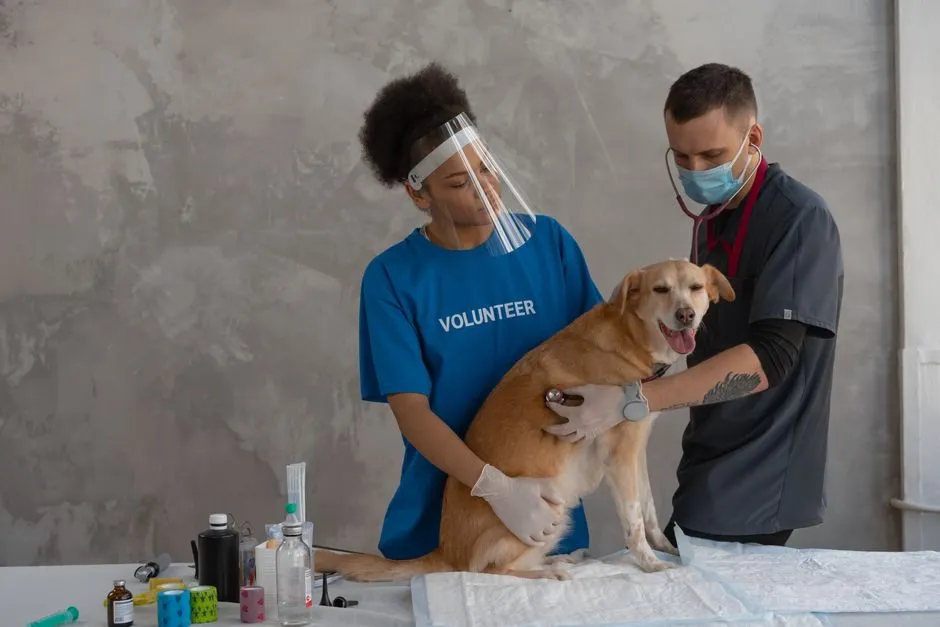
When your pet shows signs of seasonal health concerns, prompt attention from your veterinary team can make all the difference. Our veterinarians at Traveling Tails Veterinary Clinic are equipped to diagnose and manage a wide array of fall-related issues for both dogs and cats. For allergy sufferers, treatment often involves antihistamines, prescription topical therapies, or medicated shampoos to soothe irritated skin. In cases of secondary infection, antibiotics or antifungal medications may be required. For pets affected by joint stiffness as the temperatures drop, our team can recommend safe pain management strategies and joint supplements tailored to your pet’s needs.
If your pet is experiencing signs of parasitic infestation, we recommend year-round parasite prevention. Our heartworm testing services allow us to check for infection and provide the most effective preventive medications for your dog or cat. In the event of suspected poisoning or ingestion of a toxic substance, immediate veterinary care is critical. Our clinic can provide supportive care, diagnostics, and treatment for a variety of toxic exposures common during the fall months.
For any new or persistent symptoms, a comprehensive physical exam is the cornerstone of effective diagnosis and treatment. We offer in-house diagnostics for rapid assessment and can tailor treatment to your pet’s specific needs.
Managing Allergies and Sensitivities
Effective allergy management often requires a combination of approaches. Alongside veterinary-prescribed treatments, our team may recommend regular bathing with hypoallergenic shampoos, using air purifiers indoors, and minimizing your pet’s exposure to high-pollen areas on peak days. For cats, keeping windows closed during heavy pollen periods can reduce indoor allergen levels. Dietary adjustments may also help in some cases, especially for pets with food sensitivities that are exacerbated by environmental factors.
Parasite Prevention and Treatment
Our veterinary team emphasizes the importance of continuing flea, tick, and heartworm preventives throughout the fall. We can guide you in choosing the most effective products for your pet and lifestyle. For pets who have experienced a lapse in prevention or who are showing symptoms of infestation, we provide prompt treatment options and education about environmental control strategies to reduce recurrence.
Fall Prevention and Home Safety Tips
As a pet owner in San Antonio, there are several proactive steps you can take to minimize autumn hazards for your dog or cat. Keep an eye on your yard and regularly remove fallen leaves, mushrooms, and acorns that your pet may be tempted to chew. When walking your dog, avoid areas with heavy underbrush or standing water, as these environments encourage flea, tick, and mosquito activity. For cats who venture outdoors, consider limiting their exploration during dusk hours, when wildlife is more active.
Inside your home, store all seasonal decorations, candies, and rodenticides out of reach. Remember that many fall plants, such as chrysanthemums and certain gourds, can be toxic if ingested. As you prepare for holiday gatherings, remind guests not to feed table scraps to your pets, especially foods known to be dangerous, like chocolate, grapes, onions, and raisins.
Maintaining a consistent routine helps reduce stress for pets as days get shorter and schedules change. Offer extra comfort and playtime, and ensure your pet has a warm, draft-free sleeping area as nights become cooler. Regularly check for signs of joint discomfort in older pets, and consider providing orthopedic beds or ramps to help them navigate stairs more easily.
When to Seek Veterinary Care for Your Dog or Cat
Timely veterinary attention is crucial when your pet shows signs of illness or distress, especially during the fall season when certain hazards are more prevalent. You should contact your veterinary professionals if your pet exhibits persistent coughing, sneezing, or difficulty breathing; develops unexplained vomiting or diarrhea; or shows sudden changes in behavior, appetite, or mobility. Immediate veterinary care is warranted if you suspect your pet has ingested a toxic plant, mushroom, rodenticide, or human medication.
For pets with chronic conditions such as arthritis or allergies, schedule a checkup if you notice worsening symptoms or if your current management plan is no longer effective. Our veterinarians are here to provide guidance, whether it is time for a routine comprehensive pet exam or you need urgent advice about a potential emergency. If you are ever unsure, err on the side of caution and reach out for professional support.
Emphasizing Preventive Care for a Safe and Healthy Fall
Preventive care is the foundation of long-term pet wellness, particularly during seasons of change. At Traveling Tails Veterinary Clinic, we encourage pet owners to stay up to date on vaccinations, parasite preventives, and routine health checks. Our wellness plans are designed to make it easy and affordable to provide your dog or cat with ongoing protection against common health risks. Fall is an ideal time to review your pet’s preventive care schedule, update vaccines if needed, and discuss any changes in your pet’s health or behavior with your veterinary team.
Regular physical exams help us catch subtle signs of seasonal allergies, early arthritis, or parasite problems before they become serious. Together, we can develop a personalized plan that keeps your pet comfortable, happy, and healthy throughout the autumn months and beyond.
Your Local Partner for Fall Pet Safety in San Antonio
As the leaves change and the days grow shorter, your dog or cat relies on you to adapt routines and safeguard their well-being. By staying alert to seasonal changes, recognizing early warning signs, and seeking help from your trusted veterinary professionals, you can ensure your pet enjoys a safe and vibrant autumn. The team at Traveling Tails Veterinary Clinic is proud to serve San Antonio and surrounding communities with compassionate, comprehensive care. If you are searching for a veterinarian near me who understands the unique needs of pets in our region, we invite you to schedule an appointment with our experienced veterinarians.
To discuss fall safety concerns or book your pet’s next health check, call us at (210) 495-8245 or visit us in person at 2250 Thousand Oaks Dr, Suite 102, San Antonio, TX 78232. We look forward to supporting you and your pets through every season.
This blog is intended for informational purposes only and should not replace professional veterinary advice. If your pet is experiencing symptoms of illness or distress, contact your veterinary team promptly for personalized care.